
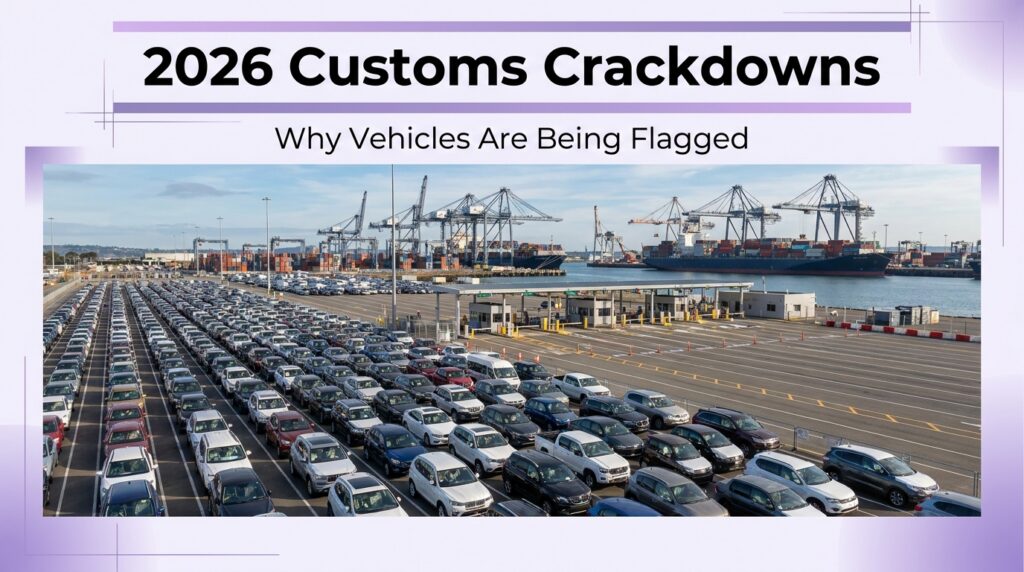
2026 Customs Crackdowns: Why Vehicles Are Being Flagged
Why 2026 Customs Crackdowns Matter for Vehicle Shipping
In 2026, customs authorities in the United States and overseas are tightening enforcement on exported vehicles. More cars are being held for inspection, and small mistakes in paperwork or compliance can lead to delays, storage fees, or even refusal to load. If you understand how customs crackdowns work, you can better prepare your documents and choose the right partner to ship a car overseas without customs delays in 2026.
- Customs agencies are using more data and risk scoring tools to identify high risk vehicle exports for inspection in 2026 before a ship departs.
- Vehicles with incomplete paperwork, unclear ownership, or unusual routing are more likely to be flagged by customs during international car shipping in 2026.

What 2026 Customs Crackdowns Look Like at the Port
Customs crackdowns in 2026 are not always dramatic, but they are very real. Many ports are increasing the number of vehicles pulled aside for closer inspection, especially when documentation does not match data in government systems. Extra checks can occur before loading on a RoRo vessel or before a container is sealed, which affects timing when you ship a vehicle through a US port under stricter customs rules in 2026.
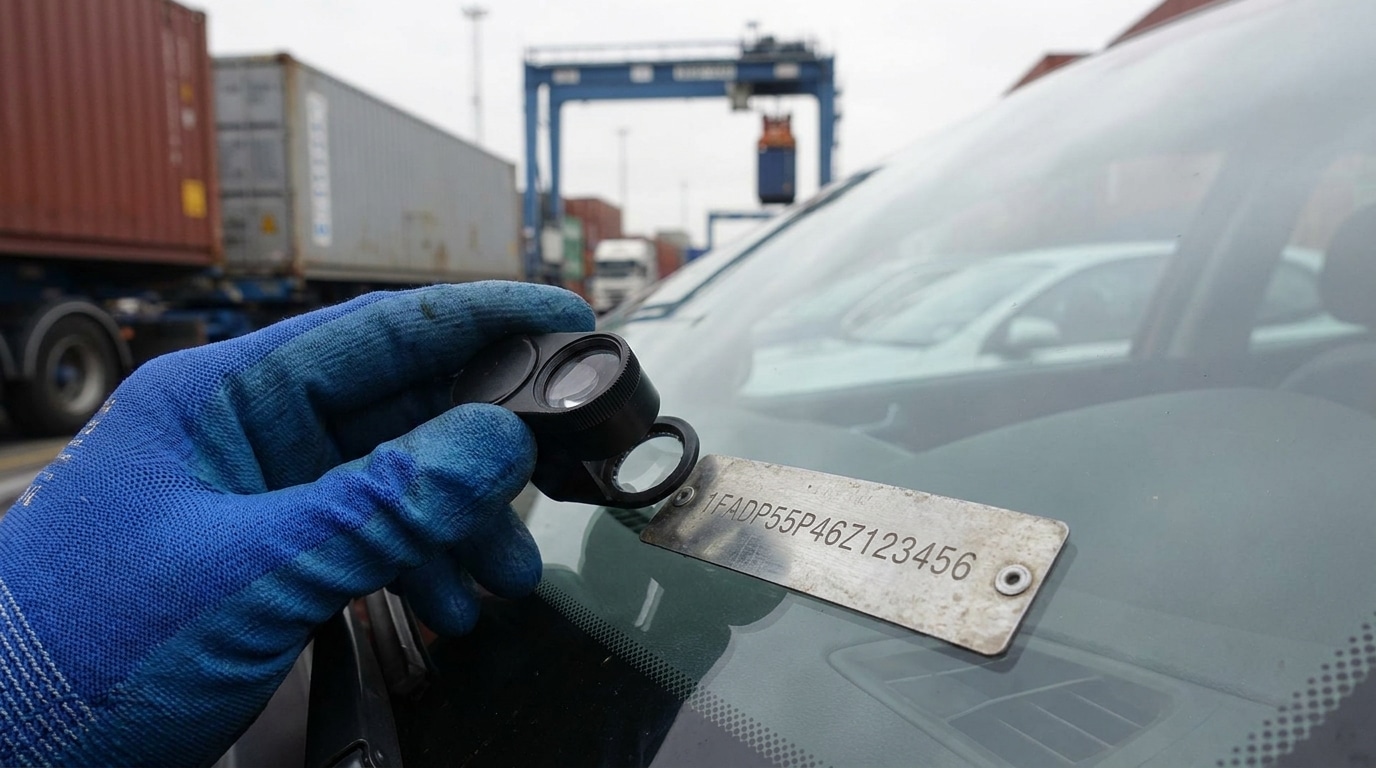
- More frequent physical inspections mean customs officers may examine vehicle identification numbers and export titles more closely in 2026 before clearing a shipment.
- Randomized inspection programs are being expanded so customs can spot check exported vehicles for fraud and compliance in 2026 without prior notice to shippers.
- Some ports are dedicating special lanes or yards for vehicles under review, which can add time and storage costs when a vehicle is flagged by customs in 2026.
Common Reasons Vehicles Are Being Flagged in 2026
Vehicles are not flagged at random. Customs uses a mix of data, risk profiles, and documentation checks to decide which units need extra attention. Many of the most common triggers are avoidable if you know what customs is looking for when you prepare a vehicle for export under 2026 customs rules.
- Title problems, such as salvage branding, missing signatures, or mismatched names, can cause customs to hold a vehicle for title verification in 2026 until ownership is clear.
- VIN discrepancies between the vehicle, title, and export documents often trigger customs reviews of vehicle identity and export eligibility in 2026.
- Incomplete export declarations or missing supporting documents can lead customs to flag a vehicle for documentation review in 2026 before it is allowed to leave the country.
- Electric vehicles and hybrids may receive extra scrutiny if battery details are unclear, which can increase the chance of EVs being flagged during customs crackdowns in 2026.
How Customs Holds Affect Timing and Costs
When a vehicle is flagged, the impact is not just stress. A customs hold can cause missed sailings, extra storage charges at the port, and additional handling fees from carriers or terminals. Understanding these risks helps you plan realistic timelines and budgets when you estimate timing and costs for international car shipping under 2026 customs crackdowns.
- If a vehicle misses its scheduled vessel due to a customs hold, you may need to rebook car shipping on a later sailing after customs clearance in 2026, which can extend delivery dates.
- Ports often charge daily storage fees for vehicles that remain in the yard, so a hold can increase total export costs through added port storage in 2026.
- Some terminals apply administrative fees when customs orders extra handling, which can add unexpected handling charges to flagged vehicle shipments in 2026.
Steps You Can Take to Avoid Being Flagged
While no one can guarantee that a vehicle will never be flagged, you can significantly reduce the risk by preparing correctly. Accurate paperwork, clear ownership, and honest declarations go a long way. Working with an experienced export partner also helps you avoid common mistakes when you plan a vehicle export that minimizes customs flag risk in 2026.
- Double check titles, VINs, and seller information to ensure all vehicle export documents match before customs review in 2026.
- Provide complete and accurate export declarations so customs can verify vehicle export details quickly and reduce inspection risk in 2026.
- Share any special circumstances, such as salvage history or prior registration issues, so your shipping partner can address potential customs concerns before the vehicle reaches the port in 2026.
Why Work With Ship Overseas During 2026 Customs Crackdowns
Customs crackdowns in 2026 make it more important than ever to work with a company that understands export rules and port procedures. Ship Overseas has long experience with documentation, title verification, and port coordination, which helps reduce surprises when vehicles are reviewed. With clear guidance and communication, it becomes easier to ship a vehicle overseas confidently during 2026 customs crackdowns with Ship Overseas.
- Ship Overseas reviews your documents and helps you spot potential customs issues before your vehicle reaches the export port in 2026.
- Experienced teams coordinate with carriers and terminals to manage communication if a vehicle is flagged by customs in 2026 and keep you informed.
- Transparent quotes and explanations help you understand customs related risks and costs when shipping a car overseas in 2026 before you commit.

Conclusion: Navigating 2026 Customs Crackdowns With Confidence
2026 customs crackdowns are changing how vehicles move through ports, but they do not have to derail your plans. When you understand why vehicles are being flagged and how holds affect timing and costs, you can prepare better and avoid many preventable problems. With the right documents and a trusted partner like Ship Overseas, you can navigate 2026 customs crackdowns and ship a vehicle overseas with confidence instead of guessing what will happen at the port.