
How to Ship Your POV to Hawaii: 2026 Mainland Guide
⚠️ Introduction: Navigating the Complexities of Pacific Ocean Transit
Relocating your primary vehicle to the Hawaiian Islands requires an entirely different approach than arranging a standard overland vehicle haul across state lines. Because Hawaii relies on complex maritime supply lines, sending your POV across the Pacific Ocean demands meticulous adherence to international port protocols and strict scheduling matrices. Understanding the fundamental mechanics of transoceanic logistics helps you bypass costly transit bottlenecks, mitigate terminal penalties, and secure an accurate Hawaii vehicle shipping quote well ahead of your scheduled move date.
🧰 Mainland Gateways, Ocean Routing, and Vessel Logistics
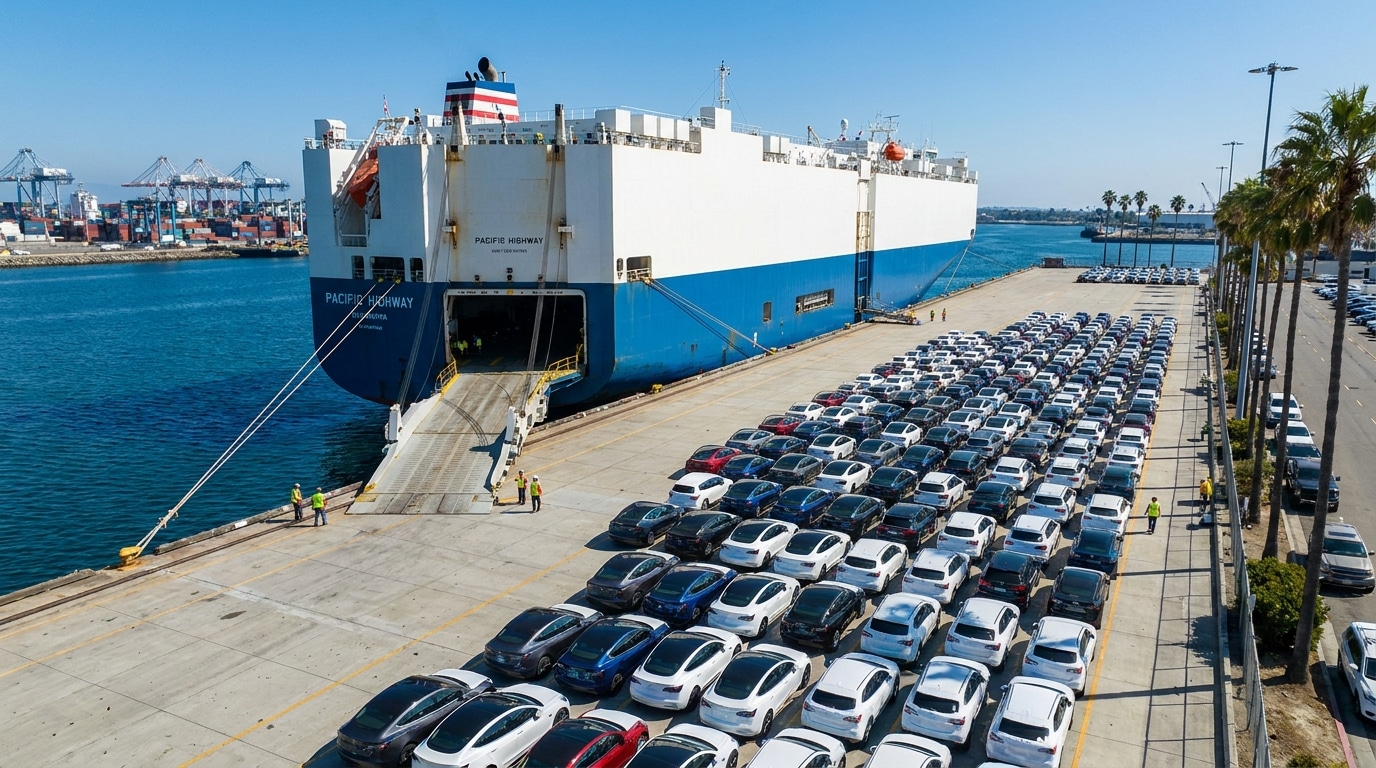
The journey for your vehicle begins at a premier mainland departure terminal, where specialized port authorities manage the staging and loading processes. Most modern maritime shipments utilize large Roll-on/Roll-off (RoRo) vessels, which function as fully enclosed floating parking garages designed to protect vehicles from volatile open-sea environments. Selecting your optimal mainland departure port determines your overall ocean transit timeline and dictates the specific drop-off windows you must hit to clear customs before the ship departs.
- Major West Coast shipping hubs provide consistent departures, allowing you to easily route your vehicle through optimized mainland car shipping ports.
- Vehicles are carefully driven onto specialized internal decks using reinforced ramps to manage secure ocean vehicle transit across the Pacific.
- Vessel schedules operate on rigid maritime timetables, making it critical to align your itinerary with verified Hawaii vehicle vessel schedules.
- Final destination terminals beyond Honolulu may require specialized secondary inter-island barge transport, meaning you should confirm local island delivery options early.
📋 Critical Documentation, Legal Eligibility, and Ownership Rules
Failing to present the exact legal paperwork required by federal and state maritime authorities will result in immediate rejection at the terminal gates. Before a vehicle can be legally loaded onto an ocean vessel, you must prove absolute clear ownership or provide notarized authorization from any holding financial institution. Gathering these mandatory records months in advance prevents last-minute delays and ensures your reservation clears port security checks without administrative pushback.
- A certified vehicle title or notarized copy is mandatory for port staff to verify that you are fully authorized to execute ship your POV to Hawaii protocols.
- Financed or leased vehicles require a formal, signed authorization letter directly from your financial institution granting explicit lienholder shipping permission.
- Valid government-issued photo identification must match your booking paperwork exactly to facilitate a smooth mainland port drop-off process.
- Active duty military personnel can leverage specialized staging programs, so make sure to review official military POV transport guidelines if applicable.
🔍 Strict Agricultural Inspections and Physical Vehicle Staging
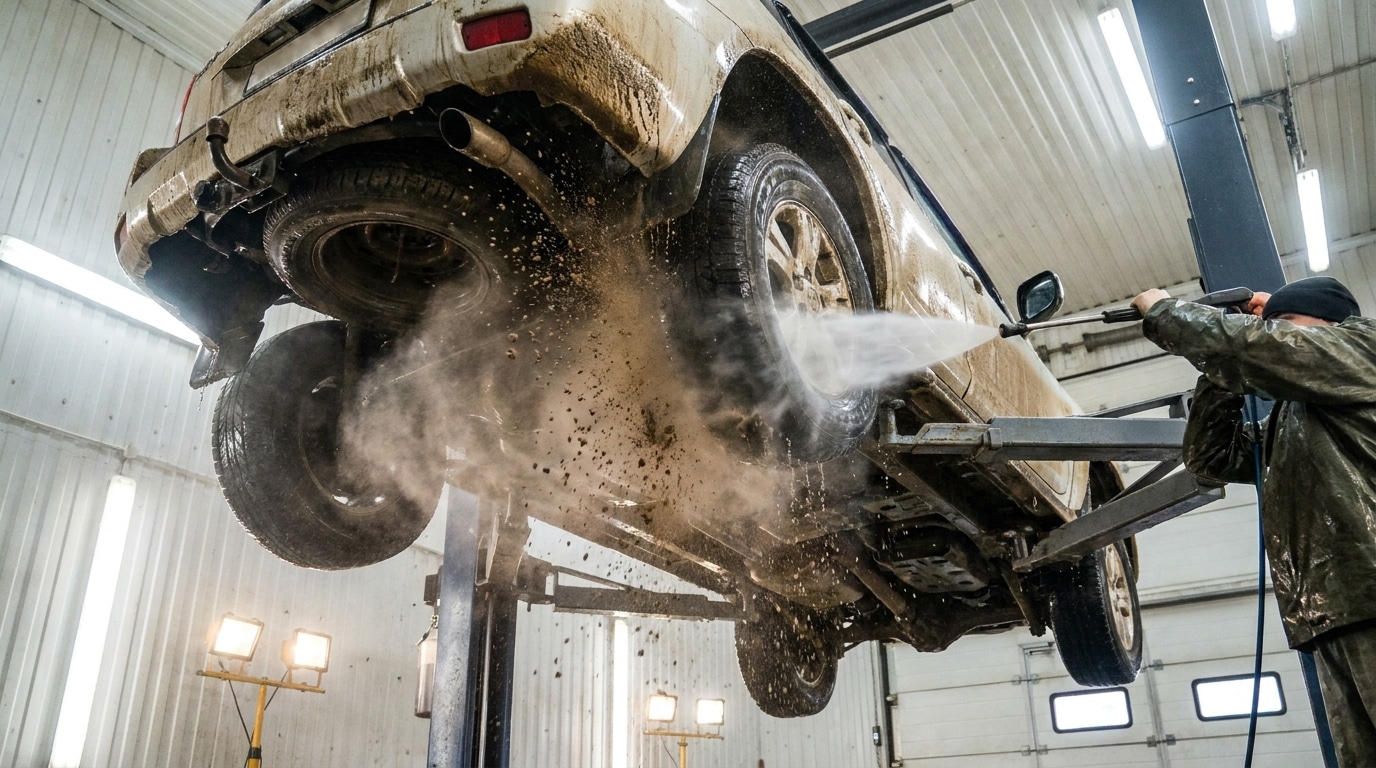
Hawaii enforces some of the most stringent biosecurity laws in the world to insulate its delicate island ecosystem from foreign pests and invasive biological threats. Every single vehicle arriving from the mainland must undergo an intense physical agricultural inspection managed by state inspectors before it can be released to the public. If any traces of organic soil, plant matter, or interior debris are detected during this assessment, your vehicle will be placed into immediate quarantine for off-site cleaning at your expense.
- Every square inch of the vehicle exterior must be thoroughly power-washed to clear the strict Hawaii vehicle agriculture inspection.
- The vehicle cabin must be completely vacuumed out to ensure compliance with mandatory POV shipping preparation cleanliness laws.
- All personal belongings must be entirely removed from the vehicle to conform with strict carrier-enforced empty car transport rules.
- Fluid levels must be inspected for leaks and the fuel tank must be drained below a quarter capacity to ensure safe maritime vehicle safety staging.
💳 Understanding Ocean Freight Cost Metrics and Transit Timelines
The total financial investment required to move your vehicle across the ocean depends on clear variables, including physical vehicle dimensions, seasonal fuel surcharges, and port handling fees. Utilizing an integrated logistics network allows you to bundle domestic mainland trucking with ocean transport into a single seamless transaction. Getting a clear, fully transparent pricing breakdown prevents unexpected destination fees and helps you construct an accurate moving budget.
- Base ocean transport costs fluctuate based on vehicle dimensions, making it vital to supply exact measurements for your Hawaii POV shipping rates estimate.
- Inland transport networks can seamlessly ferry your vehicle from your mainland residence directly to the terminal using overland vehicle transport tracking.
- Ocean crossings from West Coast hubs require unique timelines, so always request an accurate estimated Hawaii transit time calculation.
- Reputable ocean freight forwarders provide itemized line-item summaries so you can review your complete breakdown of car shipping costs.

✅ Conclusion: Securing a Smooth Pacific Vehicle Relocation
Transporting your primary vehicle to Hawaii is a manageable, highly efficient process when you follow established port procedures, finalize your paperwork, and thoroughly clean your car. By partnering with an experienced maritime logistics coordinator, you shield yourself from transit disruptions and secure complete peace of mind throughout the journey. Take control of your upcoming island relocation today by finalizing your port booking and securing your verified ship vehicle mainland to Hawaii arrangements.