
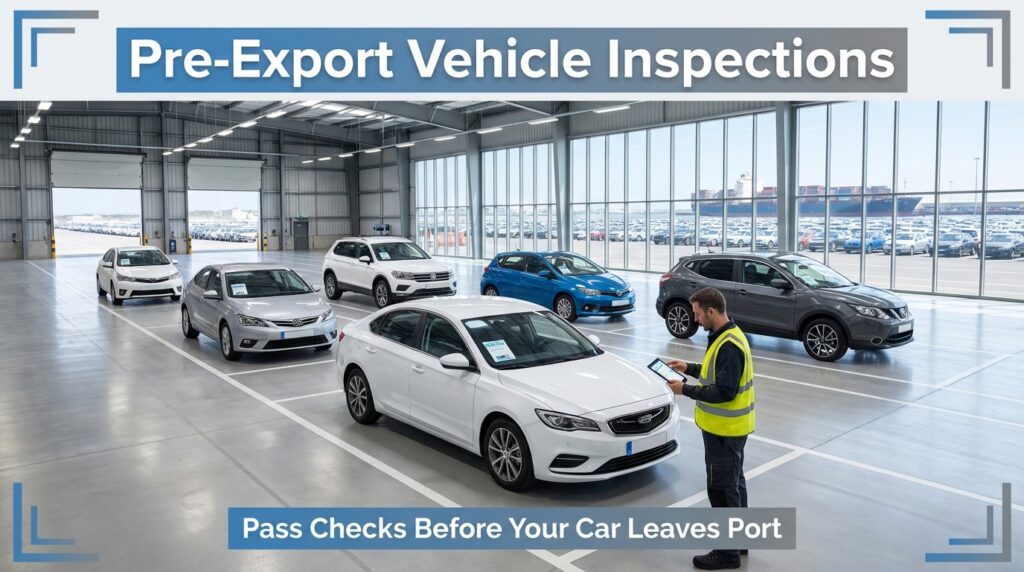
Why Some Countries Now Require Pre-Export Vehicle Inspections
Why Pre Export Vehicle Inspections Exist in the First Place
More countries now require pre export vehicle inspections because they want to control safety, emissions, and fraud before a car ever leaves the exporting country. Instead of discovering problems at arrival, authorities use inspection agencies to verify that vehicles meet age limits, emission standards, and roadworthiness rules in advance. When you understand how to comply with pre export vehicle inspection rules before shipping a car overseas, you avoid costly rejections, storage fees, and forced re export at the destination port.
- Governments use inspections to block unsafe and heavily damaged vehicles from entering their used car market and protect local roads.
- Pre export checks help customs verify vehicle value and identity before import duty is calculated at destination, which reduces under invoicing and fraud.
How Pre Export Vehicle Inspections Actually Work
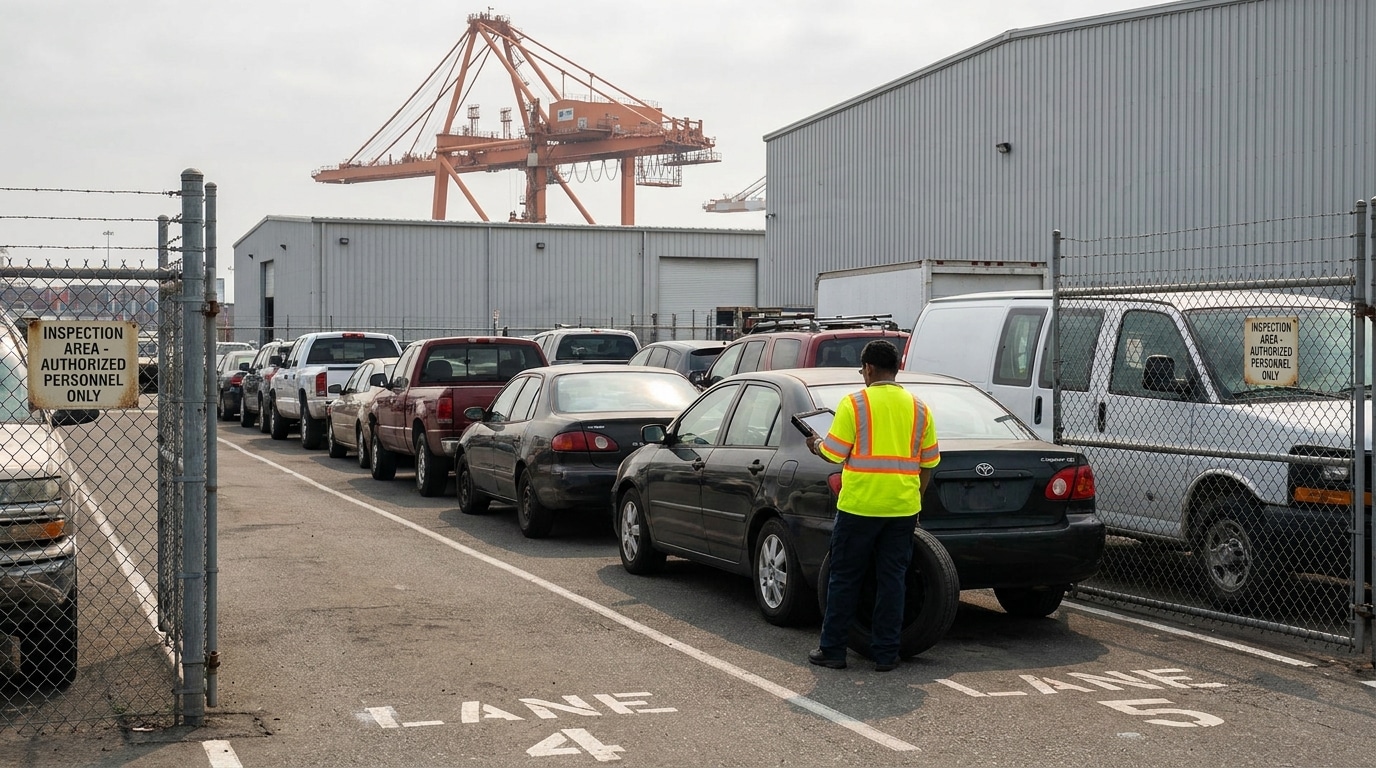
Pre export vehicle inspections are usually carried out by approved third party agencies that follow a checklist defined by the destination country. The inspector confirms the VIN, odometer reading, model year, and basic mechanical condition, and checks for structural damage, flood history, and major safety issues. To ship smoothly, you need to know how to book and pass a pre export vehicle inspection for your destination country before the vehicle is delivered to the port.
- Most agencies require advance booking and payment, so you should schedule pre export vehicle inspections early to avoid missing the vessel cutoff for your sailing.
- Inspectors verify the VIN on the chassis and documents so they can confirm that vehicle identity and paperwork match before export and flag any tampering.
- They check for frame damage, corrosion, and serious leaks, which means you should repair critical safety issues before sending a vehicle to pre export inspection if you want a pass certificate.
- After the inspection, the agency issues a digital or paper certificate so you can submit pre export inspection certificates with your shipping and customs documents at destination.
Countries That Commonly Require Pre Export Vehicle Inspections
Not every country requires pre export vehicle inspections, but the list is growing. Many African, Middle Eastern, and island markets use these programs to control the quality of used vehicles entering their roads. If you ship to these destinations, you must check if your destination country requires a pre export vehicle inspection before booking shipping or risk having the vehicle refused on arrival.
- Several African countries use approved inspection schemes to enforce age limits and emission standards on imported used vehicles before they leave the export port.
- Some island nations and smaller markets rely on inspections to prevent flood damaged and heavily repaired vehicles from entering their limited road network.
- Oil producing countries and high income markets may require inspections to ensure imported vehicles match declared value and specification for customs and registration.
- Rules change often, so exporters should verify current pre export inspection requirements with a trusted shipping company before purchase to avoid surprises.
What Inspectors Look For During Pre Export Vehicle Inspections
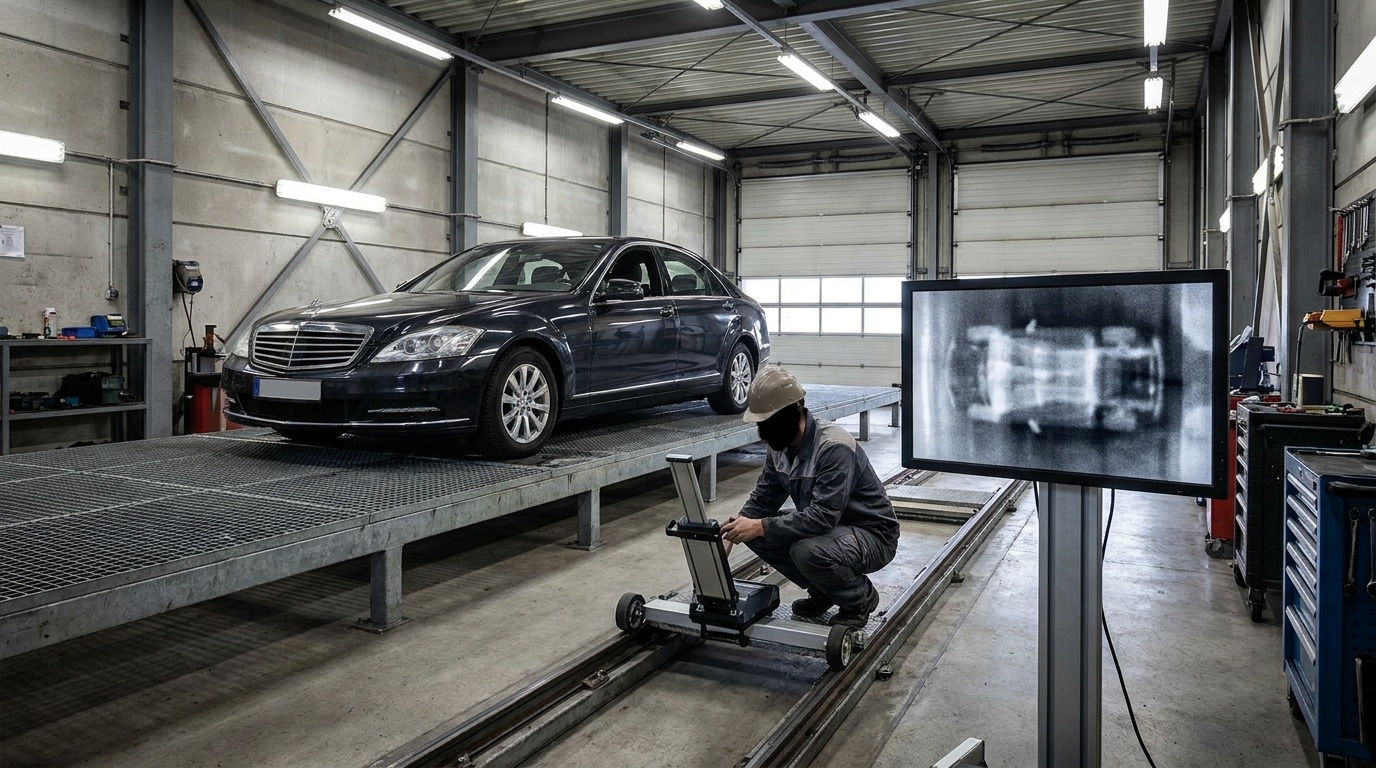
Pre export vehicle inspections are not just a quick walk around. Inspectors follow structured checklists that focus on safety, structural integrity, and compliance with destination rules. Understanding what they look for helps you prepare a vehicle to pass pre export inspection without costly rechecks and reduces the risk of failure.
- Inspectors check the body and frame for serious rust, collision repairs, and structural damage so they can reject vehicles that pose safety risks on destination roads before they are shipped.
- They verify that lights, brakes, steering, and tires meet minimum standards so you should fix obvious safety defects before sending a car to pre export inspection to avoid a fail result.
- Odometer readings and dashboard warning lights are recorded, which allows authorities to identify odometer fraud and unresolved warning lights before import.
- Some programs include emission checks or visual smoke assessments so exporters must confirm that vehicles meet destination emission rules before export to avoid rejection.
How Pre Export Vehicle Inspections Affect Costs and Timing
Pre export vehicle inspections add cost and time to the shipping process, but they are cheaper than dealing with a rejected vehicle at destination. Inspection fees, re inspection charges, and storage can add up if you are not prepared. A realistic plan helps you budget for pre export vehicle inspection fees and schedule around inspection lead times without missing your vessel.
- Inspection fees vary by country and vehicle type, so you should request a quote that includes pre export inspection costs for your route instead of guessing.
- If a vehicle fails, you may pay for repairs, re inspection, and extra storage, which makes it important to evaluate vehicle condition before purchase when shipping to inspection countries.
- Inspection slots can be limited during peak seasons, so exporters need to book pre export inspections early to secure space on preferred sailings.
- Working with a shipping company that handles inspections daily helps you coordinate inspection, port delivery, and vessel cutoff without delays in the schedule.

Working With a Shipper That Understands Pre Export Vehicle Inspections
Because pre export vehicle inspections are now mandatory in more markets, choosing a shipper that understands these programs is just as important as choosing the right route. A knowledgeable partner can tell you when inspections are required, how strict the rules are, and what kind of vehicles are likely to fail. With the right guidance, you can ship vehicles to inspection countries with fewer surprises and smoother customs clearance for your buyers.
- Experienced shippers know which destinations require inspections and can advise on pre export inspection rules before you buy a vehicle for export.
- They often have relationships with inspection agencies, which helps them coordinate inspection appointments and port delivery on your behalf when time is tight.
- They can explain common failure reasons so you can avoid sending high risk vehicles to strict pre export inspection markets and protect your budget.
Conclusion: Plan for Pre Export Vehicle Inspections Before You Buy and Ship
Pre export vehicle inspections are now a permanent part of shipping to many countries, not a temporary trend. If you understand why they exist, how they work, and what inspectors look for, you can choose better vehicles, plan realistic timelines, and avoid expensive surprises at destination. By working with a shipper that understands pre export vehicle inspections, you can ship vehicles confidently to countries that require pre export inspections and strict quality control and build a stronger export business.