

How The Latest USTR Ruling Impacts Global Shipping Rates
📈 USTR Recovery Fee Now Affects RoRo Shipping
As of October 14, 2025, the U.S. Trade Representative (USTR) Recovery Fee has introduced new costs for international shipping. The fee targets foreign-built roll-on/roll-off (RoRo) vessels calling at U.S. ports, with the goal of encouraging investment in U.S.-built ships and countering foreign maritime dominance.
For shippers using RoRo services, this means a significant rate increase—especially for vehicles shipped overseas from the United States.

🚗 RoRo Shipping Rates Increase by 15–30%
Major carriers have begun adjusting their pricing to reflect the new USTR fee. Here’s how the changes break down:
- Wallenius Wilhelmsen: +$19 per cubic meter of cargo
- K Line: +$22 per cubic meter of cargo
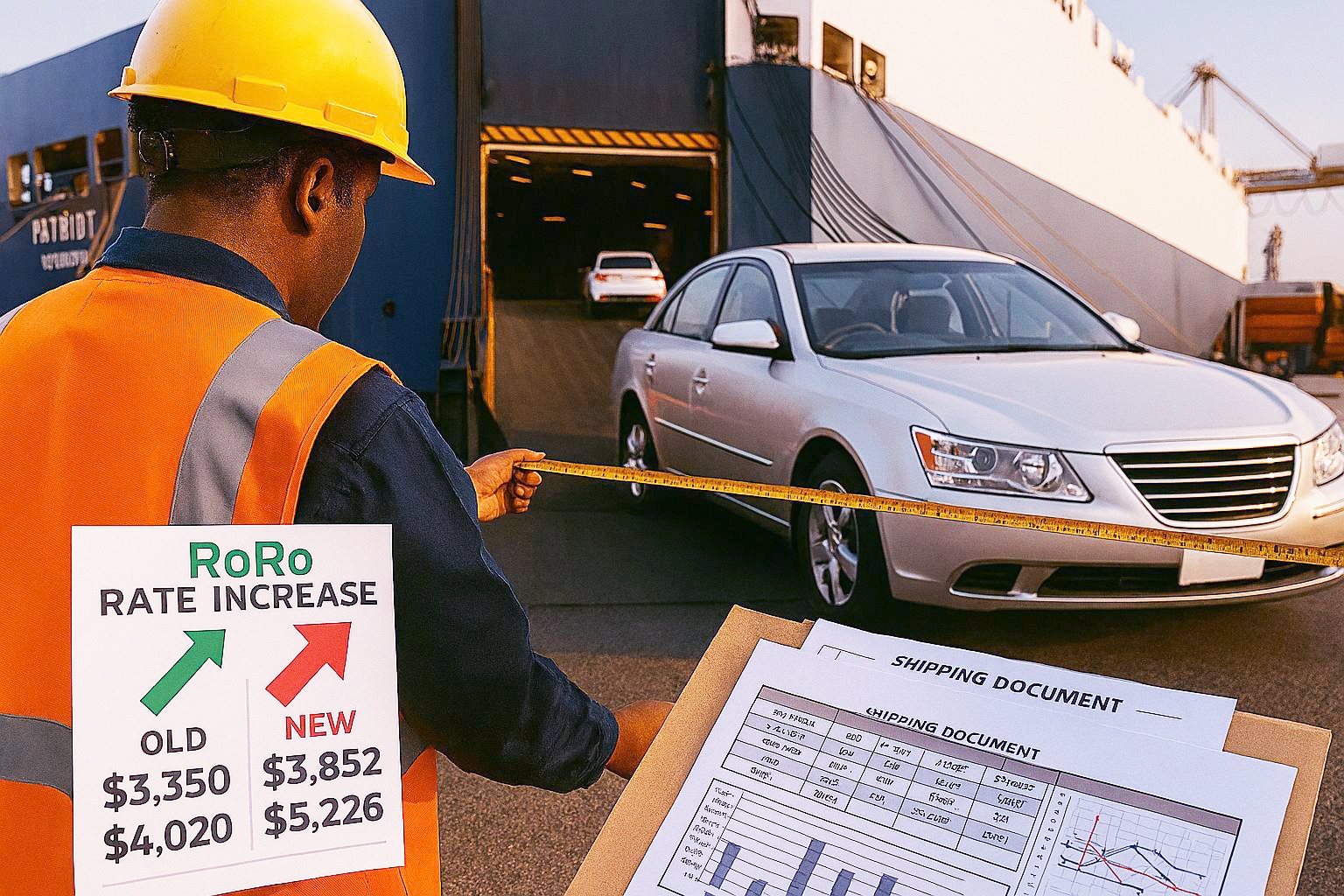
This translates to a 15% to 30% increase in RoRo shipping costs, depending on the carrier and route. For example:
- Old Rate (NY → Zeebrugge): $3,350 – $4,020
- New Estimated Rate: $3,850 – $5,226
These increases apply to all non-U.S. manufactured RoRo vessels operating internationally.
📦 Container Shipping Rates Remain Stable
While the USTR fee also applies to container ships made, owned, or operated by Chinese companies, the impact on container shipping rates has been minimal. Major carriers like COSCO Shipping Lines have confirmed they are absorbing the additional costs and not passing them on to customers.
This means that container shipping from the U.S. to international ports remains a cost-stable option for many shippers.
🌍 What This Means for Global Shippers
For businesses and individuals shipping vehicles or goods overseas, the new USTR ruling introduces a clear divide:
- RoRo shipping: Expect higher costs, especially for large or high-volume cargo
- Container shipping: Remains a stable-cost option, even for Chinese-operated vessels
Shippers should evaluate their transport method and consider switching to containerized shipping when possible to avoid the RoRo surcharge.

✅ Ship Overseas Inc Can Help You Navigate the Change
Ship Overseas Inc offers expert guidance on navigating the new USTR fee landscape. Whether you’re shipping a car, motorcycle, or commercial cargo, our team can help you:
- Compare RoRo vs. container shipping costs
- Choose the most cost-effective route and carrier
- Understand documentation and compliance requirements
- Get real-time quotes and transparent pricing
We’re here to help you adapt to the latest international shipping regulations with confidence.