
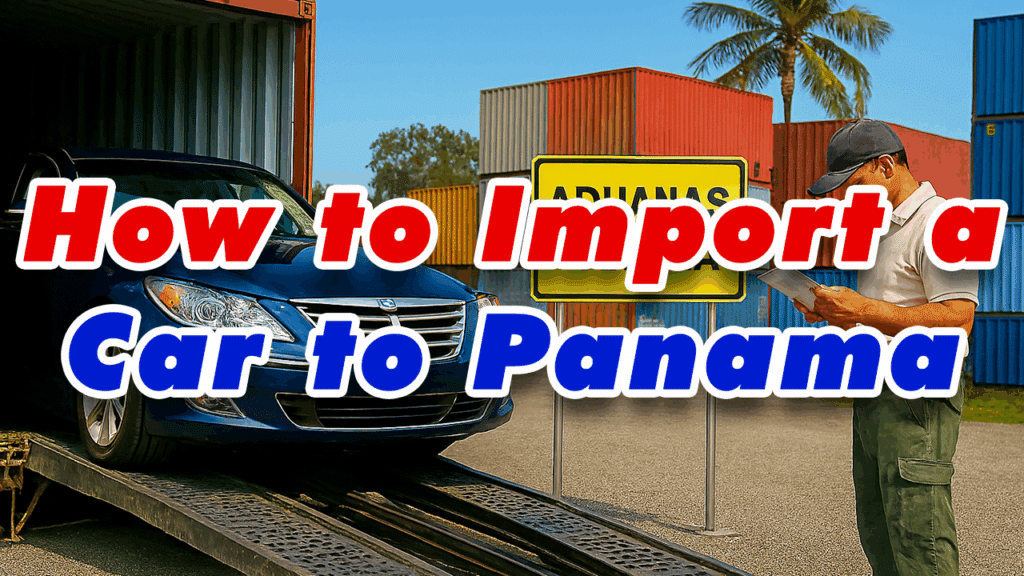
How to Import a Car to Panama
🚗 Should You Import Your Car to Panama?
Before deciding to ship your car to Panama, consider these key factors:
- Import Costs: Taxes and fees can be substantial—sometimes higher than buying locally.
- Vehicle Compatibility: Panama prohibits right-hand drive vehicles and enforces strict emissions standards.
- Parts Availability: Some brands may be difficult to service due to limited parts in Panama.
- Resale Value: Imported vehicles may depreciate differently than locally purchased ones.
- Time & Effort: Customs paperwork, inspections, and delays can make importing a car a complex process.
Evaluate whether the cost and effort of importing your car to Panama is worth it for your situation.

📋 Panama’s Vehicle Import Regulations
Panama enforces specific laws for vehicle imports. Here’s what you need to know:
- Vehicles older than 10 years are typically prohibited unless classified as classic cars.
- Import duties are based on age, engine size, and declared value.
- Retirees under the Pensionado Program may qualify for duty exemptions.
- Right-hand drive vehicles are not allowed.
- Modifications may be required to meet Panamanian standards.
Review the Panama car import laws before shipping your vehicle.
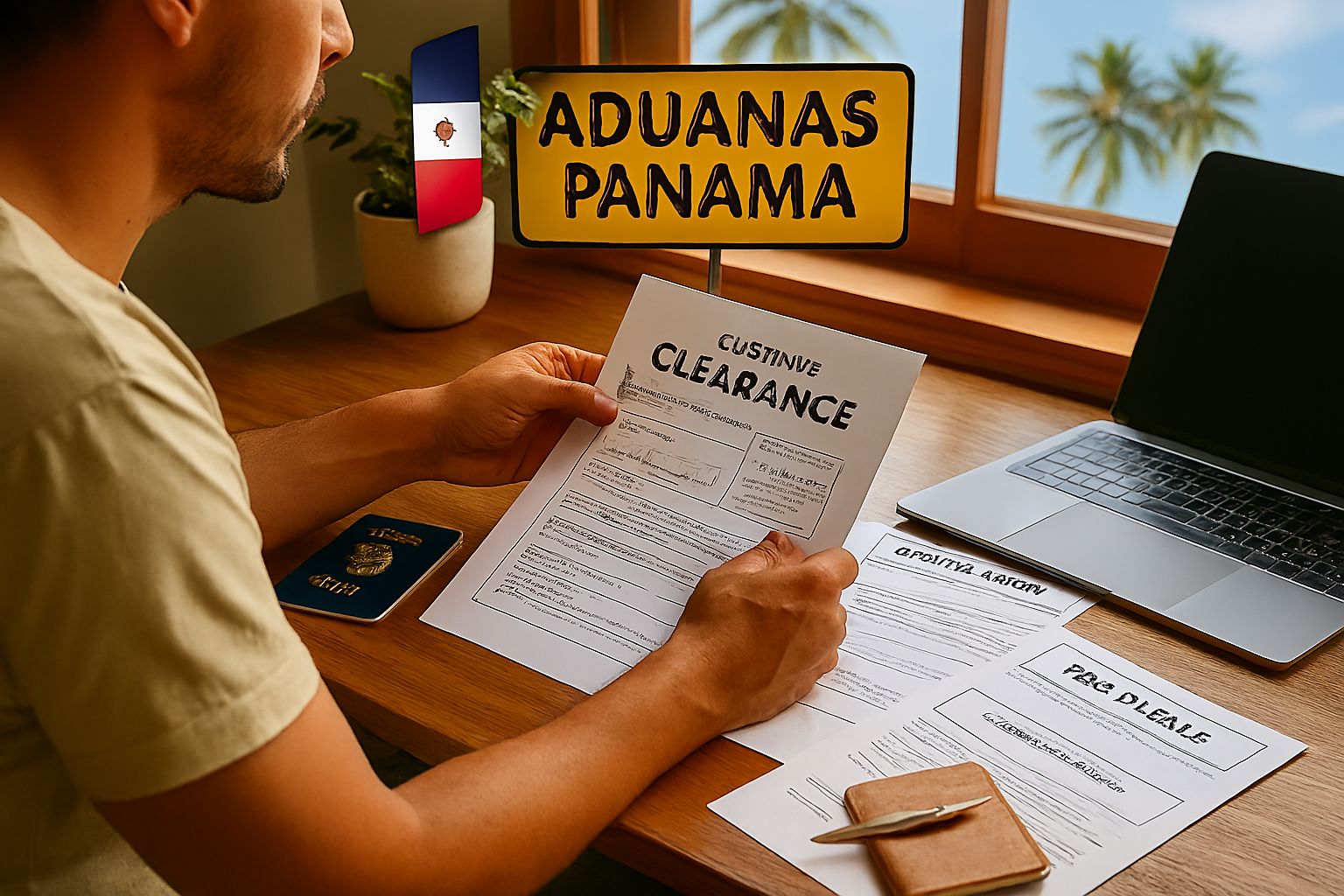
📑 Required Documents for Car Import
To import a car to Panama, prepare the following paperwork:
- Original title and registration
- Bill of sale or invoice
- Bill of lading from the shipping company
- Emissions and safety compliance certificate
- Passport and visa/residency documents
- Proof of insurance
- Customs clearance paperwork
- Inspection certificate
Having complete documentation helps avoid delays and unexpected fees.
🚢 Choose Your Shipping Method
There are three main ways to ship your car to Panama:
- Roll-On/Roll-Off (RoRo): Budget-friendly but requires an empty vehicle.
- Container Shipping: More secure and allows personal items, but costs more.
- Air Freight: Fastest and most expensive—ideal for high-value vehicles.
Compare RoRo vs container shipping to choose the best fit for your needs.
🛃 Customs Clearance & Import Fees
Once your car arrives in Panama, it must go through customs. The process includes:
- Paying import duties (typically 15–25% of CIF value)
- Submitting customs declarations
- Vehicle inspection for compliance
- Receiving import approval certificate
- Paying port handling and registration fees
Working with a customs broker in Panama can simplify the process.

📝 Vehicle Registration in Panama
After clearing customs, you must register your car in Panama before driving legally:
- Pay registration fees and obtain license plates
- Secure local insurance coverage
- Pass a technical inspection
- Obtain a Panamanian driver’s license if needed
Registration ensures your vehicle is roadworthy and compliant with local laws.
✅ Ship Overseas Inc Can Help You Import to Panama
Ship Overseas Inc offers expert support for importing vehicles to Panama. We help you:
- Understand Panama’s import laws and exemptions
- Choose the best shipping method for your vehicle
- Prepare documentation and avoid customs delays
- Get transparent quotes and real-time updates
Whether you’re relocating or retiring, we make car shipping to Panama smooth and stress-free.