
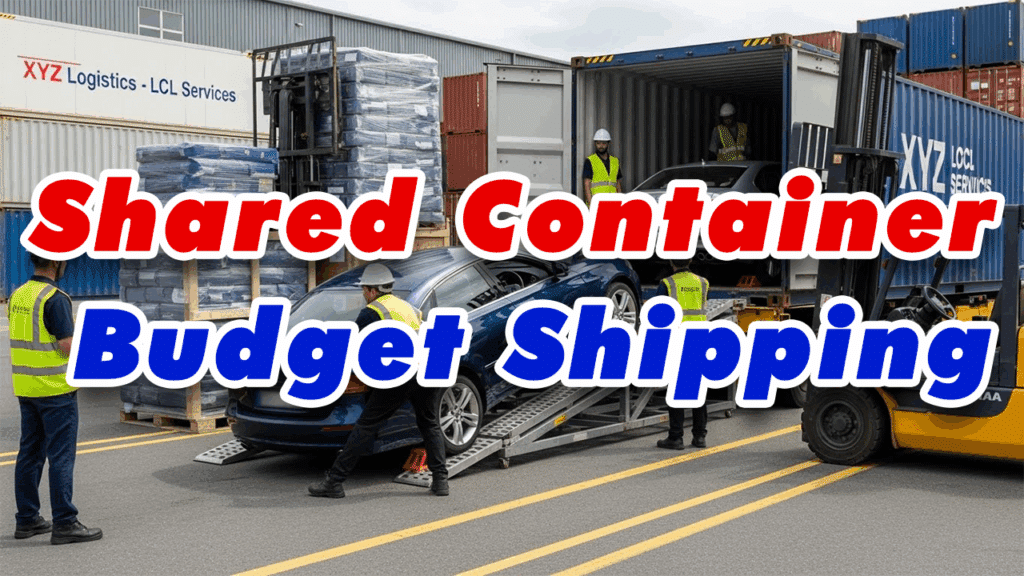
Shared Container Shipping: Is It the Best Option for Budget Shippers?
⚠️ Introduction
Shared container shipping (LCL) allows multiple customers to ship cars together in one ocean container. This option reduces costs while maintaining professional handling and reliability. For budget-conscious car owners, it provides access to international shipping lanes without paying for unused container space. Learn how it works and when it’s the right choice via shared container car shipping guide.
🧰 Section 1: How shared container car shipping works
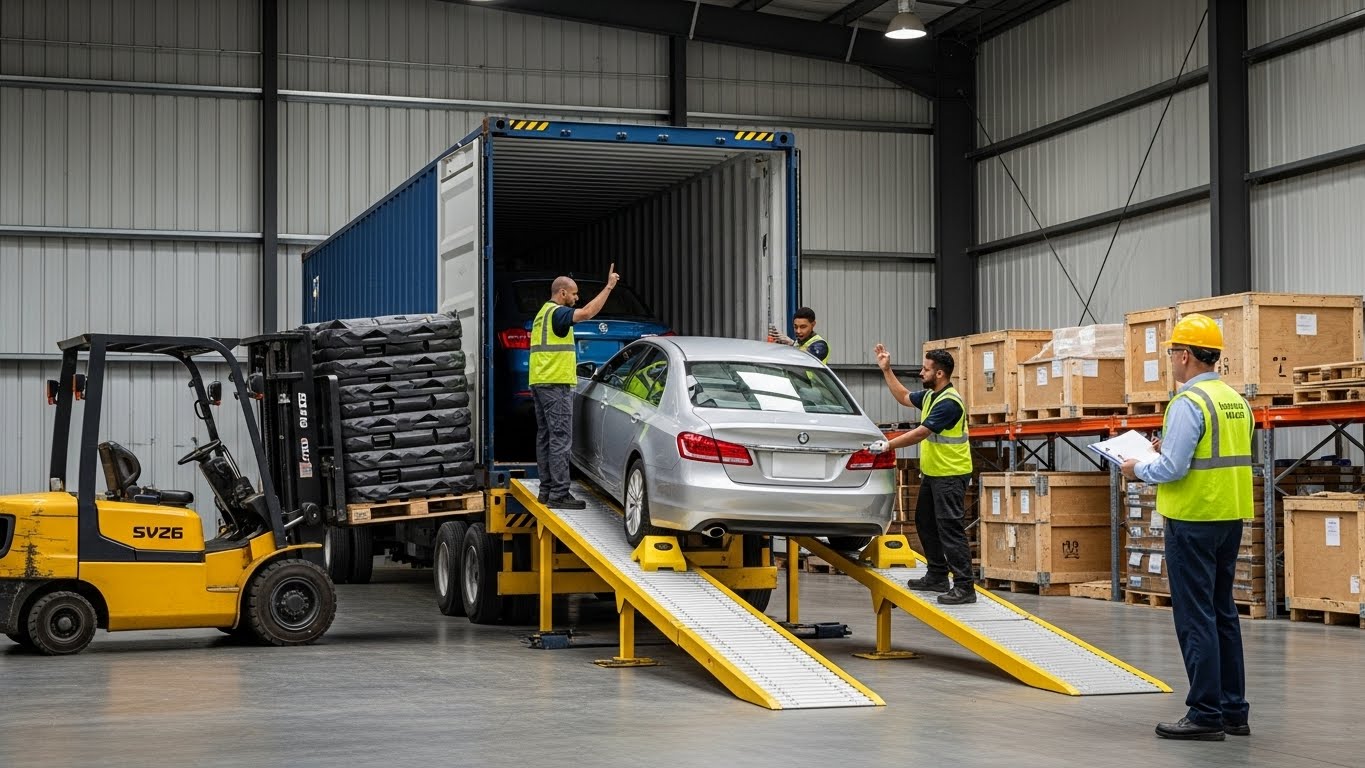
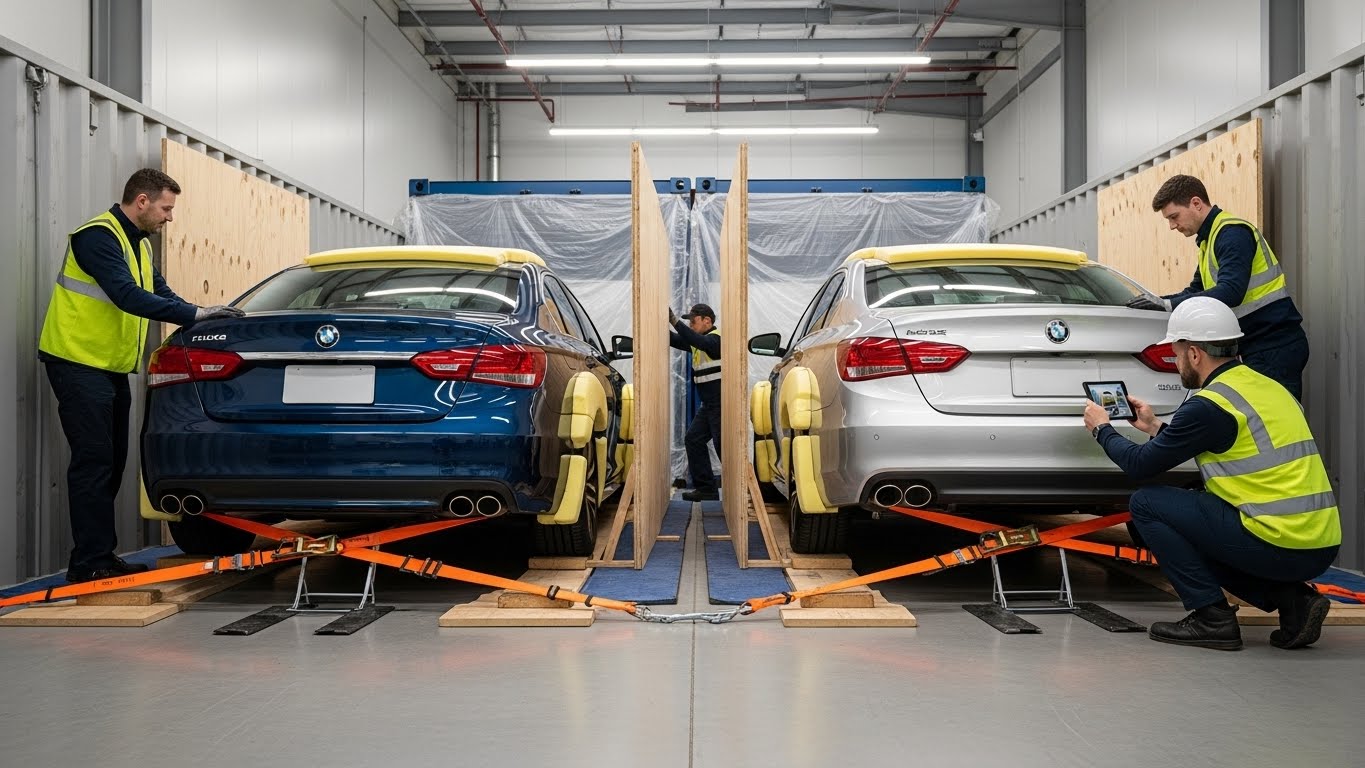
In shared container shipping, cars are carefully loaded into a container alongside other vehicles bound for the same destination. Each car is secured with ramps, wheel chocks, and protective barriers to prevent movement. Freight forwarders manage schedules, documentation, and container handling. You pay only for the space your car occupies. Learn more at LCL car shipping explained.
- Space-based pricing: Costs are based on the car’s dimensions and weight; see car shipping cost calculator.
- Vehicle preparation: Cars must be cleaned, drained of most fuel, and secured; see car preparation guide.
- Schedules: Consolidation cut-offs and sailings are managed by forwarders; check car shipping schedule lookup.
- Documentation: Title, bill of sale, and customs paperwork are required; see car shipping documents.
🔍 Section 2: Cost, timing, and value trade-offs
Shared container shipping saves money but may add time due to consolidation steps. Transit can be slightly longer compared to full container loads, but the savings are significant for single-car shipments. Budget shippers benefit from predictable rates and professional handling. Compare options with shared container vs FCL car shipping.
- Lower upfront cost: Pay only for the space your car uses; see international car shipping estimator.
- Time impacts: Consolidation may add days; monitor with port congestion tracker.
- Predictability: Published sailings and cut-offs available via LCL car shipping schedule.
- Budget fit: Ideal for single cars or small batches; see best car types for shared containers.

💳 Section 3: Risk management and vehicle protection
Because multiple cars share space, secure loading and documentation are critical. Cars are strapped, blocked, and protected with padding and moisture barriers. Choose experienced consolidators, confirm insurance coverage, and ensure photo-documented handoffs. For a robust plan, review LCL car shipping risk checklist.
- Vehicle securing: Use wheel chocks, straps, and protective panels; see car securing standards.
- Insurance: Verify marine coverage for cars via marine insurance for car shipments.
- Chain of custody: Photo and seal records at each handoff; see car inspection checklist.
- Claims readiness: Document VINs and values using claims documentation guide.
🧭 Section 4: When shared containers make the most sense
Shared containers are best when shipping one or two cars, when timelines are flexible, or when testing new destinations. They help budget shippers avoid paying for unused container space. If speed or exclusivity is critical, FCL may be better. Use a decision matrix like LCL vs FCL car shipping framework.
- Best fit: Single cars or small batches; evaluate with car shipping cost calculator.
- Lane testing: Pilot new destinations using car shipping market entry guide.
- Security needs: Choose FCL for luxury or high-value cars; see FCL car shipping security.
- Time-to-market: Compare transit times with car shipping transit tool.
✅ Conclusion
Shared container shipping is a smart option for car owners who want to save money and accept modest timeline trade-offs. With secure loading, proper documentation, and trusted consolidators, it delivers strong value without compromising safety. Explore rates, schedules, and fit using shared container car shipping quote, then choose the mode that best aligns with your vehicle and timeline.